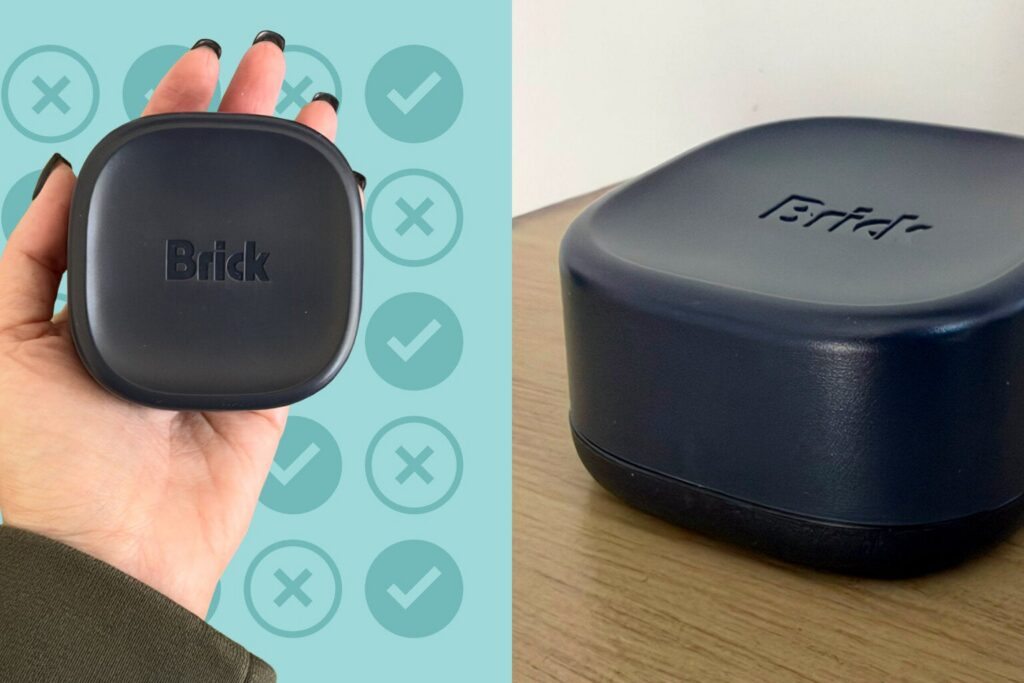
For one Wirecutter reviewer, putting a Brick Night on the bedroom dresser changed what was within reach at bedtime. At 10 p.m., the device automatically blocked Instagram, TikTok and other selected apps on the reviewer’s phone. Instead of deciding each night whether to switch on the restrictions, the reviewer picked up a book or journal. In the morning, it was a Kindle instead of an hour of scrolling in bed.
Over about three weeks of testing, though, the reviewer began lingering in the living room to browse Instagram and changed the schedule to allow scrolling on weekends. Some nights, moving the Brick Night across the bedroom was enough to restore access from bed. The device worked as intended; the reviewer just found it easier to move than to change a habit.
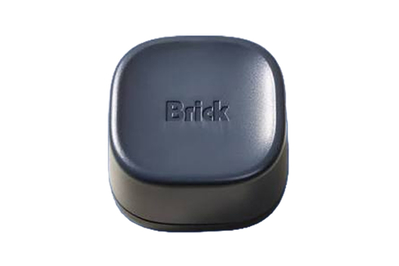
What the $130 Brick Night does differently
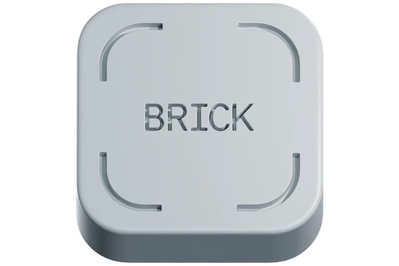
The $60 original Brick uses near-field communication: Tapping a phone against the device blocks or unblocks selected apps and websites. Once the block is active, walking away doesn’t lift it. The Brick Night uses Bluetooth instead. During the hours a user chooses, restrictions take effect when the phone enters the device’s range and lift when it leaves. The range is adjustable up to 25 feet, so where the device sits matters more than where the room ends.
Both models use the same Android and iOS app. Several people can pair their phones with one Brick Night, but each needs the app and a separate account to choose which apps and sites to block and when. Restrictions can run all day or on selected days and hours. Because the reviewer also worked in the bedroom, the initial schedule ran from 10 p.m. to 9 a.m. daily rather than around the clock.
Who preferred the room-based approach?
Elissa Sanci, who had used the original Brick for just over a year and credited it with helping her quit social media, planned to keep using the Night. With scrolling already less of a temptation, she liked being able to apply restrictions where she wanted them without having to tap her phone. Ivy Liscomb saw little reason to pay for the device: She planned to tighten the controls in her screen-time app or leave her phone outside the bedroom.
Pairing multiple phones didn’t make the Night especially useful for Annemarie Conte, who tested it with her husband and teenagers. She struggled to identify a time when everyone wanted the same room free of scrolling. At the dinner table, where the family already had a rule about phones, she preferred that they hold one another to it.
For the lead reviewer, the original Brick remained the better bedtime choice, and not just because it cost $70 less. It can also start blocking apps on an evening schedule. Left in another room, it makes regaining access from bed a deliberate decision: The reviewer has to get up, carry the phone to the Brick and tap it.