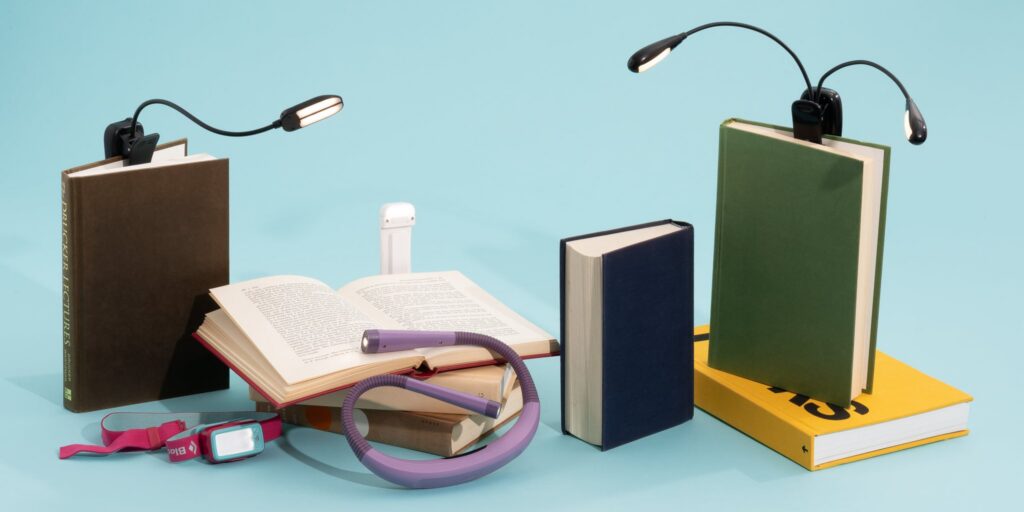
In a guide published November 21, 2026, Wirecutter reported testing 13 reading lights over several weeks, including hours of reading in the dark. Its recommendations depend on where and how you read—not just brightness.
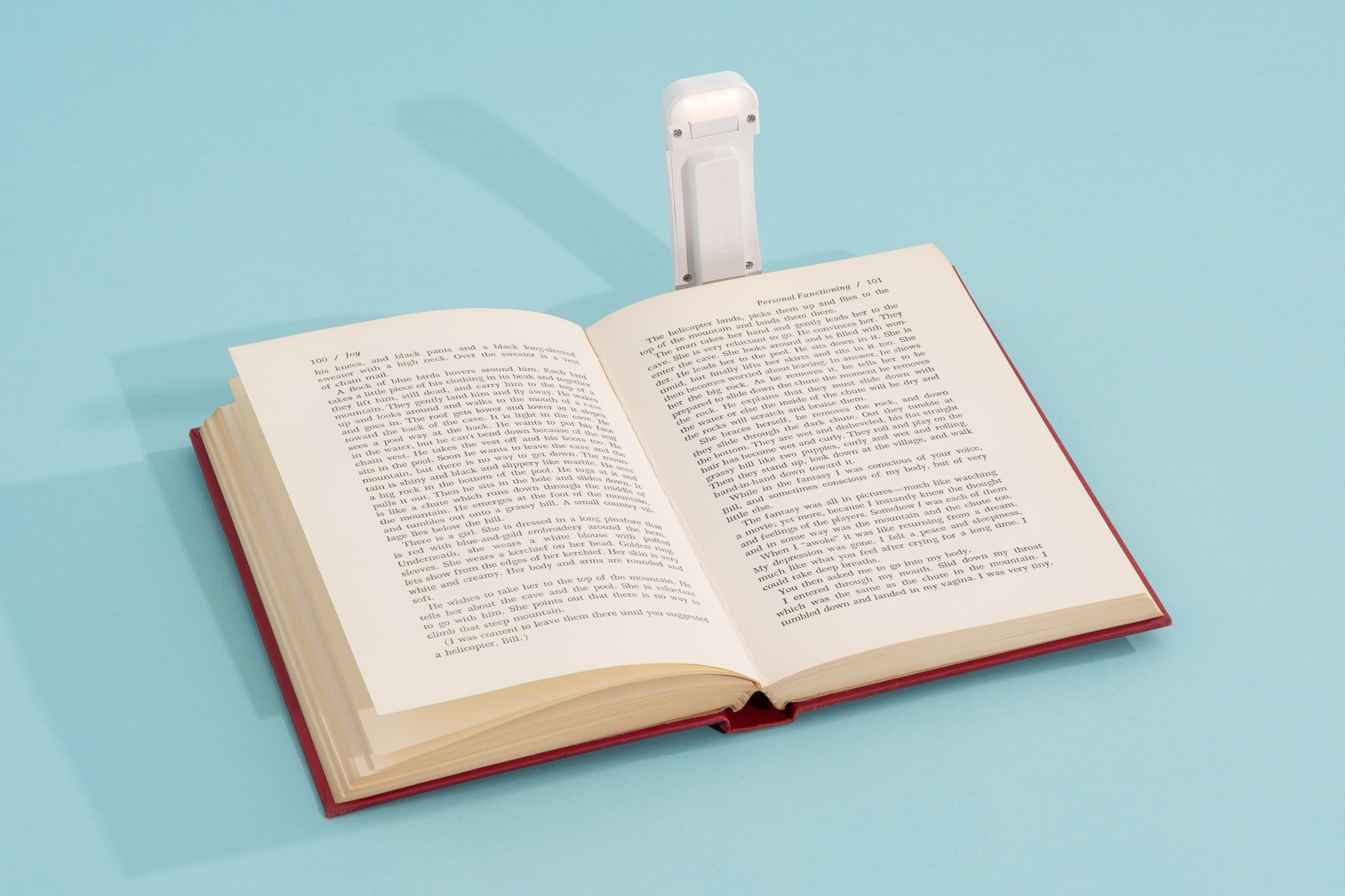
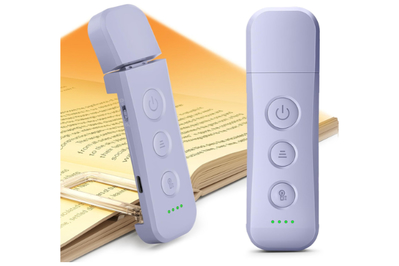
- For most books: Glocusent Max Bookmark Style Reading Light. The compact clip worked with both paperbacks and hardcovers without getting in the way of page turns. It has five brightness levels, five light temperatures, USB-C charging and a battery-level indicator. In Wirecutter’s test, 12 hours at full brightness used approximately half the battery, according to the indicator. The guide listed it at about $10 at the time of reporting.
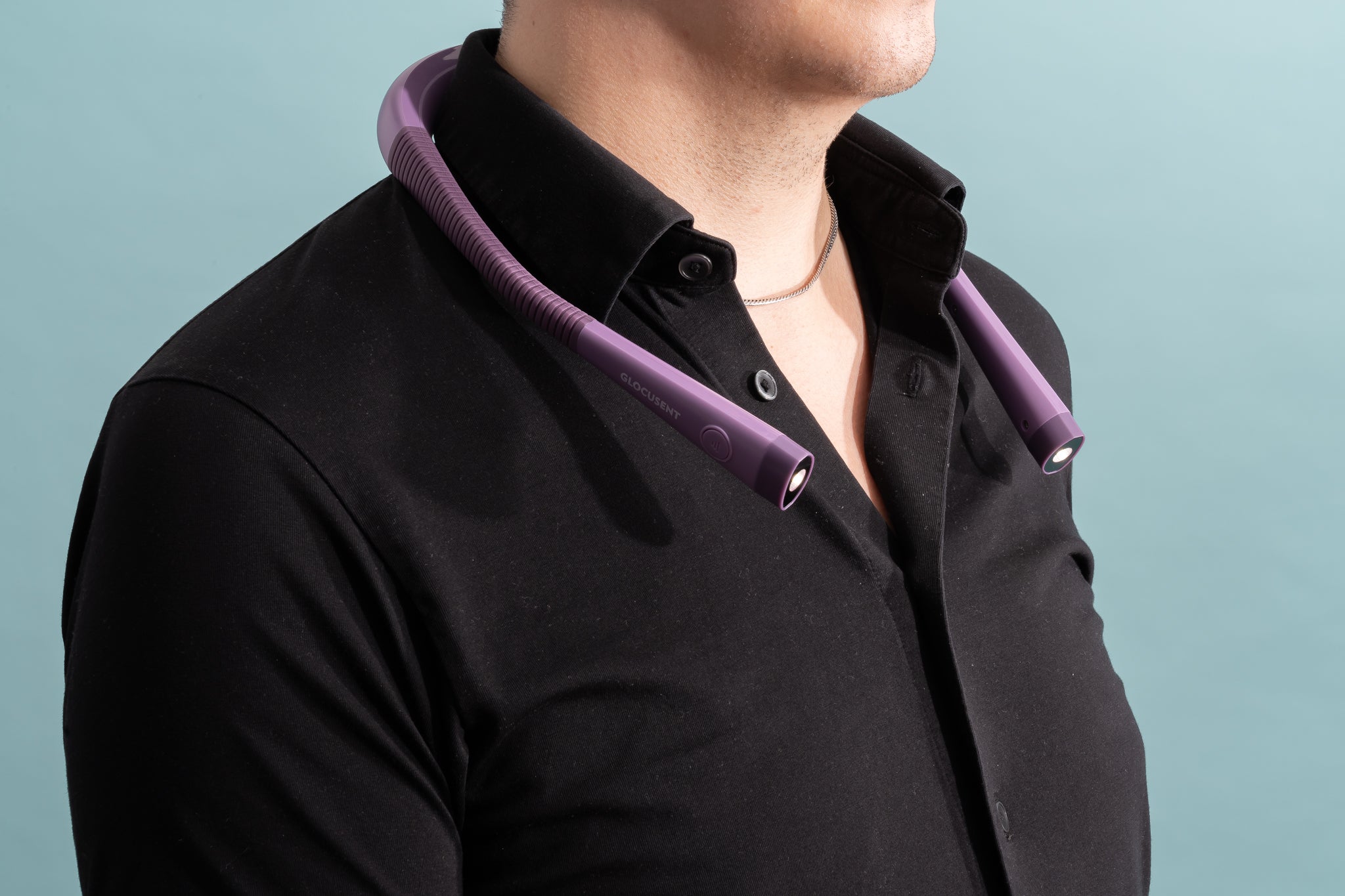
- For a wearable option: Glocusent LED Neck Reading Light. Its adjustable arms can direct light onto a book or a task such as knitting. It has three brightness levels and three light temperatures, and lasted 12 hours at full brightness in the test. Some testers found that it cast a shadow depending on their posture and the arm positions; its sensitive buttons could also switch on accidentally in a bag.
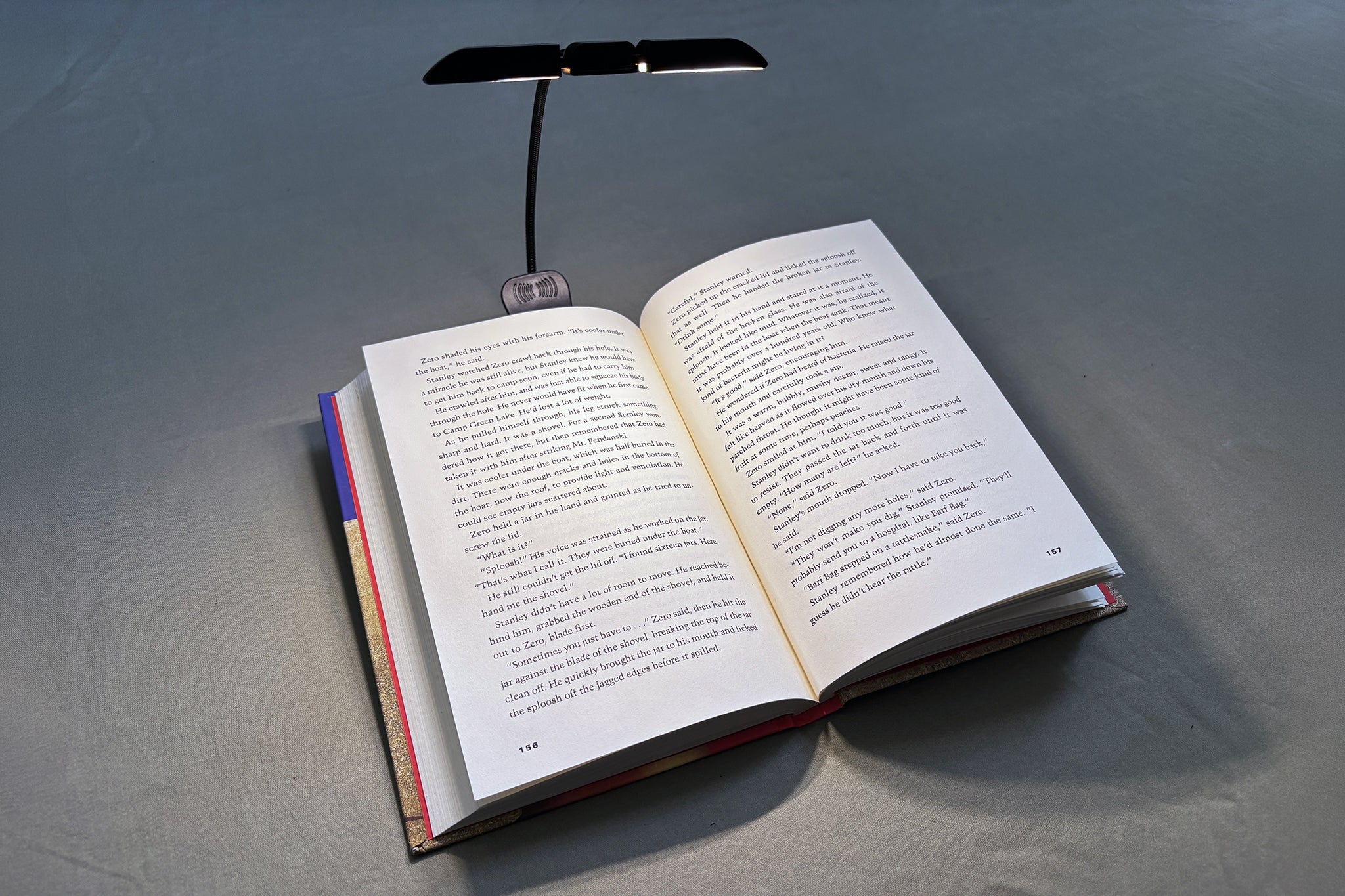
- For hardcovers: Vekkia Foldable Rechargeable Book Light. Its two foldable lights can illuminate facing pages, and its clip held securely in testing. The clip is too heavy for paperbacks and may tear their covers.
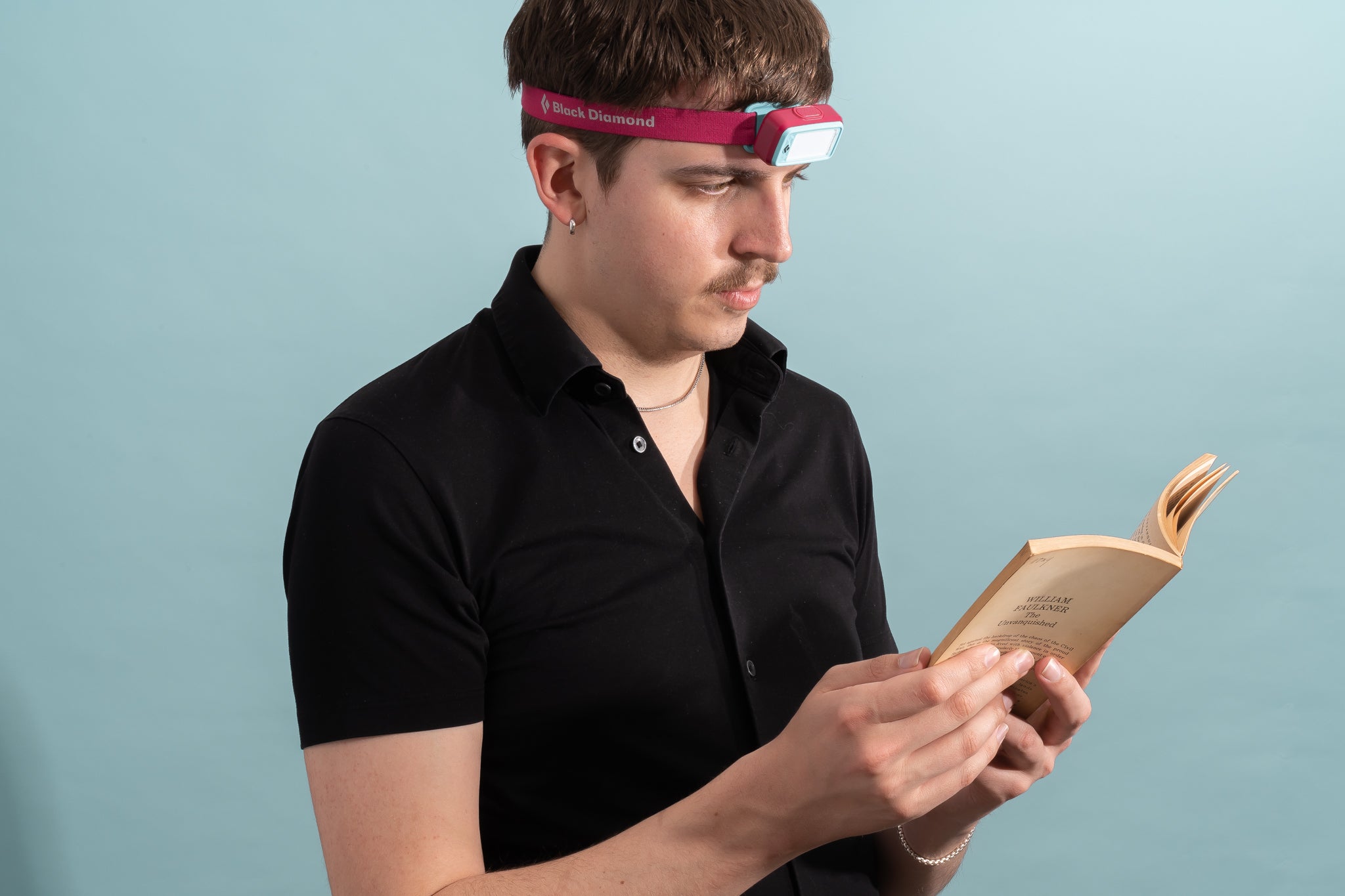
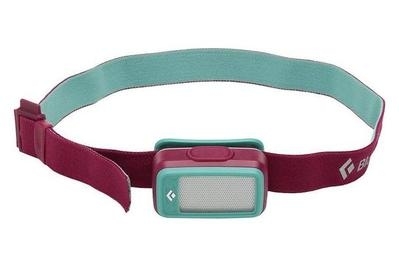
- For reading and other activities: Black Diamond Wiz Kid Headlamp. Wirecutter found this adjustable children’s headlamp comfortable for adult testers and bright enough for reading in the dark without being as harsh indoors as the other headlamps it considered. It can also serve as a light for walks or camping.
Wirecutter also investigated a reader’s report that a Glocusent reading light caught fire while charging. It said it found one similar complaint about melting among more than 18,000 Amazon reviews. Glocusent provided battery-certification documentation and said it had no previous reports of fires involving its products, while acknowledging melting cases that it said appeared to involve improper use. Wirecutter battery writer Sarah Witman said a defect, shipping damage or an incompatible charger were possible explanations; the cause of the reported incident was not established.