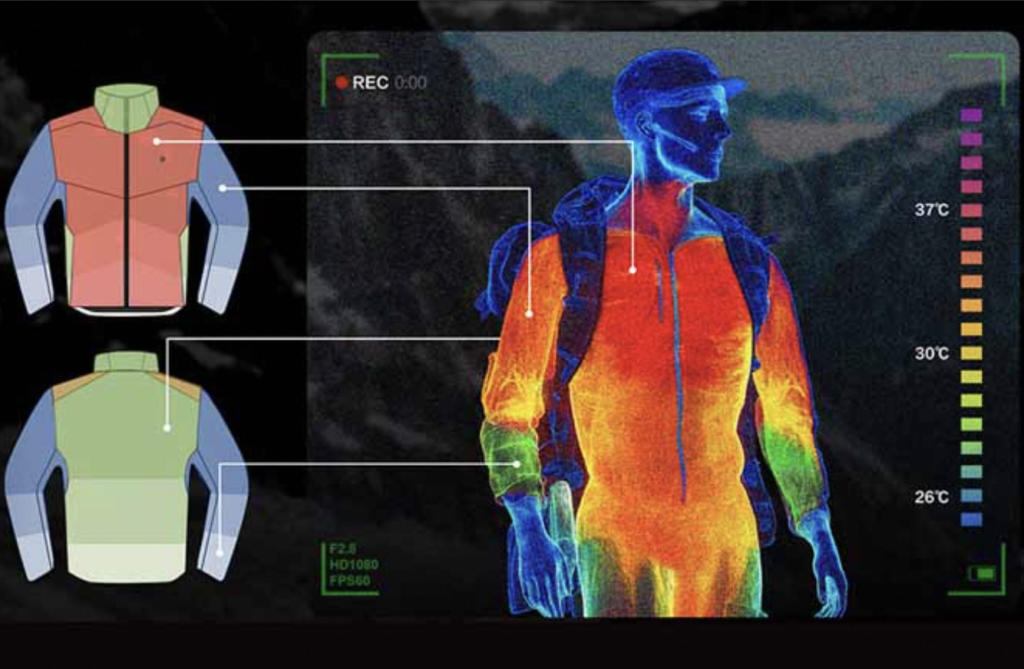
As reported on November 23, 2026, Chinese tactical clothing brand Longya had raised more than 100 million yuan in its first funding round, with Qicheng Capital, Fengshang Capital and Black Ant Capital participating. The investment comes as the brand tries to reach beyond its original community of military enthusiasts without weakening the product reputation that built its following.
Longya was founded in 2011 by Jiang Lei, who had started the military-interest forum Tiexue in 2001 and later sold imported tactical gear. The brand’s approach was to bring features associated with tactical and outdoor equipment into everyday clothing. Examples cited in the report include Cordura fabric, YKK zippers and Duraflex buckles in trousers and jackets. Longya separates waist and leg-length options to offer 23 trouser sizes, with some casual trousers available in 32.
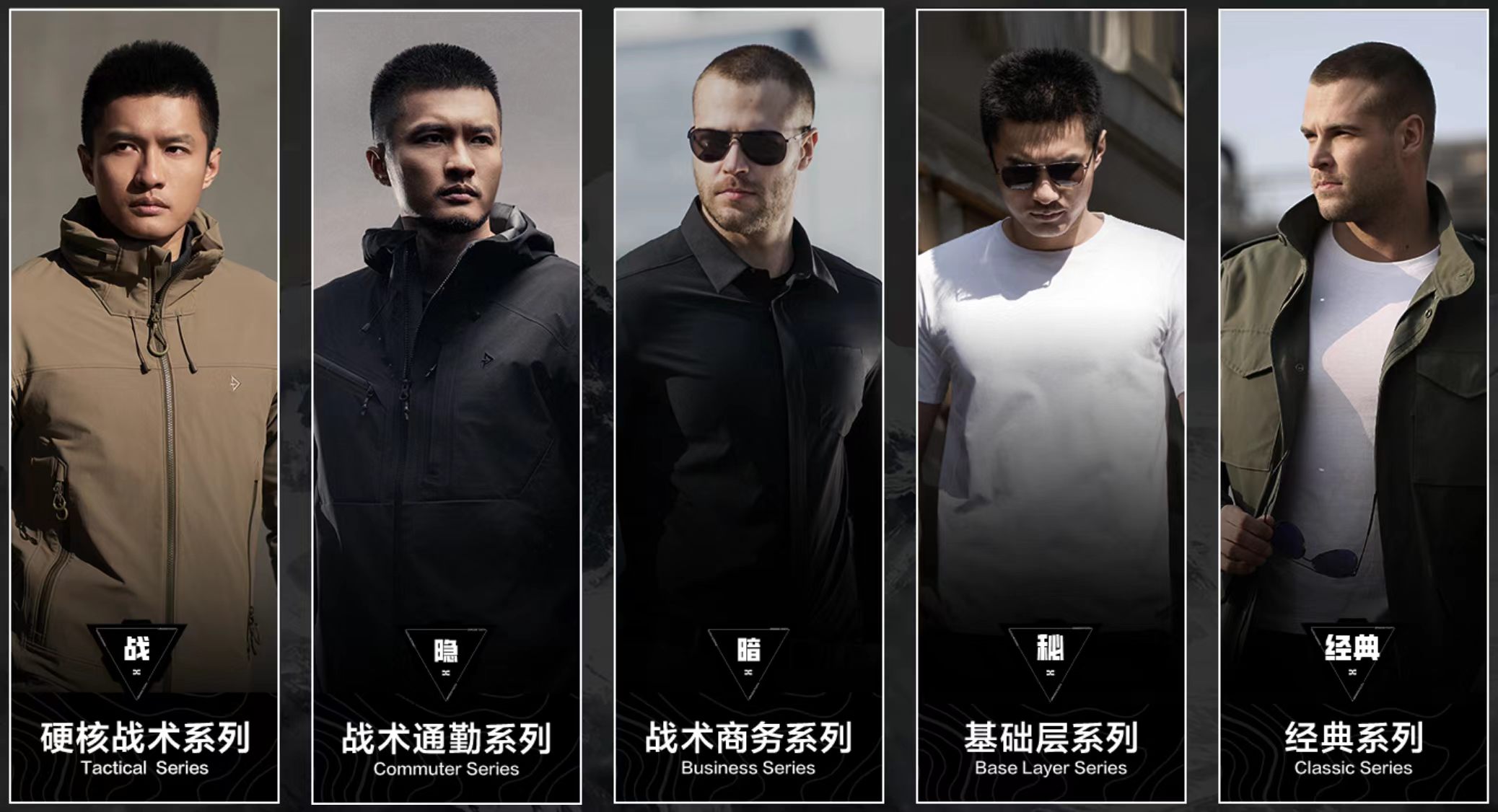
A brand partner disclosed that Longya’s 2025 revenue was about 1.8 billion yuan, up from 800 million yuan in 2023, while annual gross merchandise value exceeded 2 billion yuan. Those figures are attributed to the partner, rather than independently verified in the report. The article also says Longya had 37 stores, generally located in office buildings rather than major shopping malls.
Longya’s attempt to broaden its appeal has not been straightforward. Around 2022, it adopted the name “Longya Menswear” and introduced items including jeans and suits. According to the report, the shift failed to satisfy existing customers or establish a clear identity with new ones. In 2023, the brand returned to a positioning rooted in tactical clothing while addressing commuting, business travel and light outdoor use.
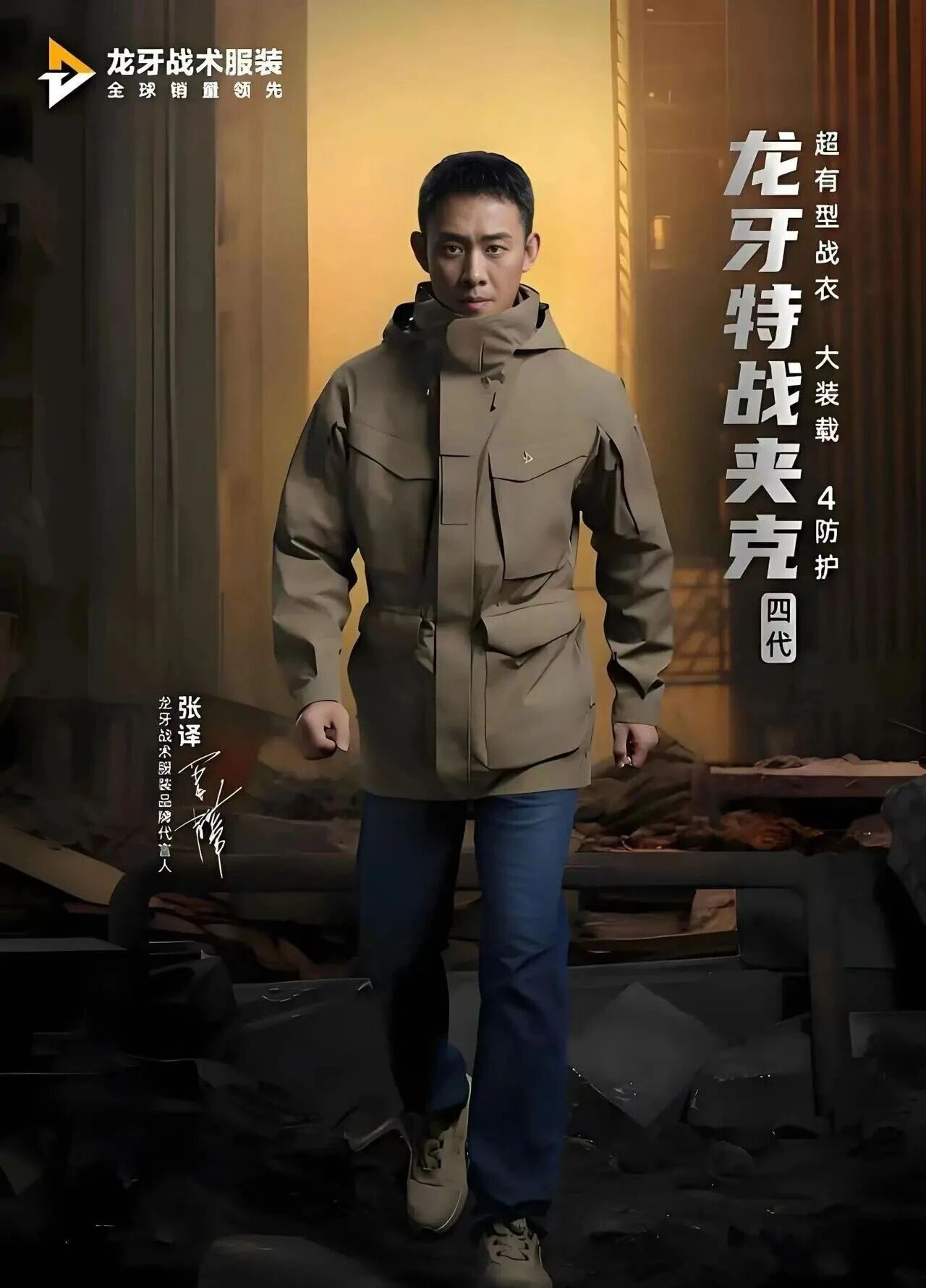
Maintaining quality as production grows is the immediate challenge. The report describes customer complaints in 2025 and 2026 about variations in woven fabrics, stitching density and garment structure. It says the brand acknowledged fluctuations associated with expanded production and began corrective work. A clothing-industry product manager identified as Xizi told the publication that Longya’s appeal rests heavily on its materials and workmanship; in Xizi’s view, spending more on brand-building would do little to change what customers expect from it.
Competition is also increasing. The report describes new Chinese retail activity by 5.11 Tactical and other sellers of tactical-style clothing in 2026. Its broader conclusion—that Longya must preserve its functional identity while reaching more shoppers—is an assessment, not a guaranteed outcome of the funding round.