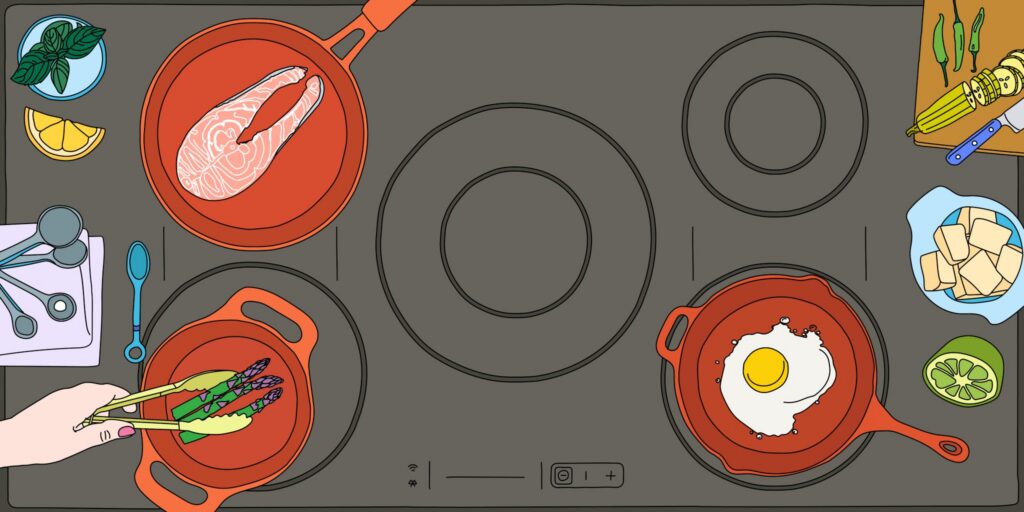
Measure the bottom of your widest skillet before comparing induction cooktops. A model with a high power rating can boil water quickly, but if its largest heating element is too small for your pan, food at the edges may cook more slowly. If you spend more time simmering sauces than searing or frying, the number of heat settings may matter more than peak power.
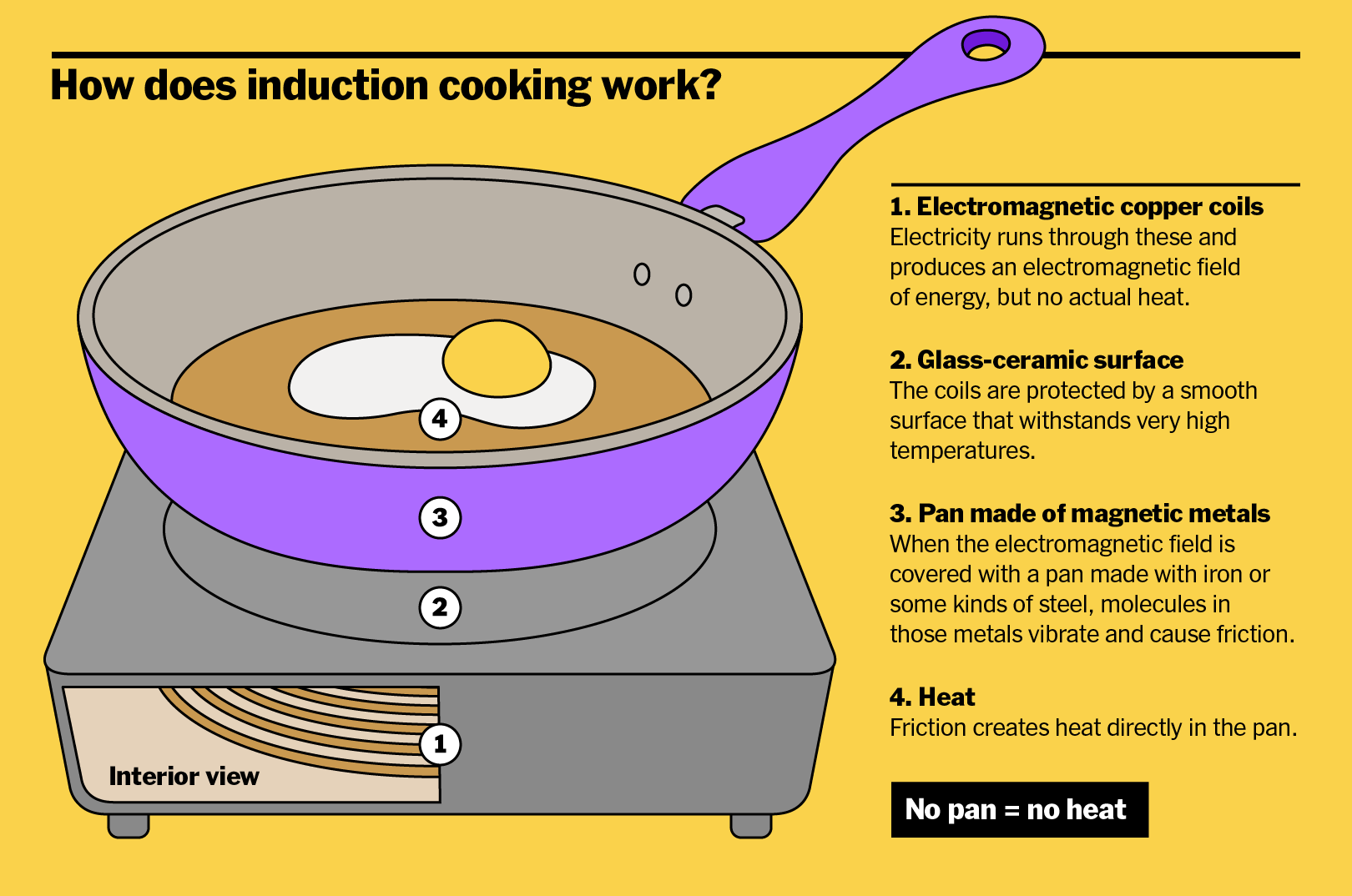
Induction generates heat in magnetic cookware rather than heating a coil or grate first. That makes a pan quick to heat and lets you reduce the power almost immediately. In its November 24, 2026, guide, Wirecutter recommended three 36-inch cooktops based on hands-on testing, expert interviews and owner feedback. Each suits a different way of cooking.
Three cooktops for different kitchens
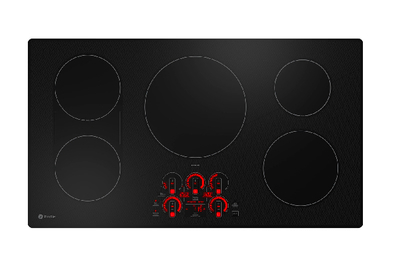
For fine heat control: GE Profile PHP9036. The GE has 19 power settings, the most Wirecutter had tested, plus dedicated melt and keep-warm modes. You can slide a finger around a wheel or tap up and down to adjust the heat. Its 11-inch element reaches 3,700 watts on boost, and a bridge setting lets you adjust two medium elements together under a griddle. For tasks such as holding frying oil at a specific temperature, the GE also lets you enter a target temperature at the cooktop—but that feature requires a separately sold Bluetooth probe or sensor-equipped pan.
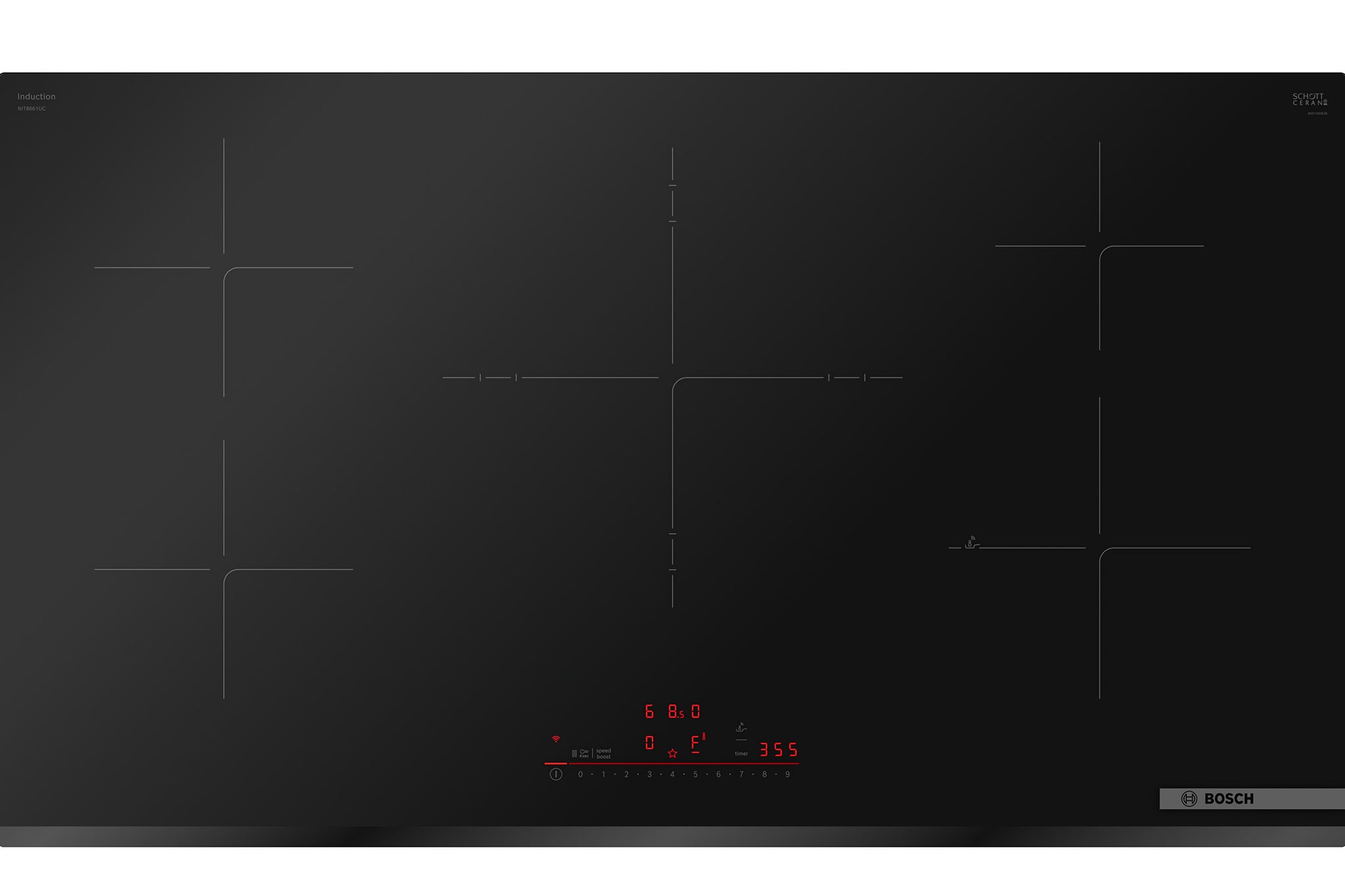
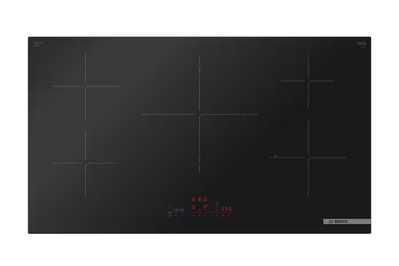
For large pots and skillets: Bosch 800 Series NIT8661UC. The Bosch’s 13-inch center element is the widest of the three recommendations. It reaches 3,600 watts on boost, making it a good match for cooks who regularly prepare large batches. It offers 17 power levels and 11 preset temperatures. One detail worth seeing in person: Crosshatches rather than circles mark the elements. Wirecutter’s reviewers found circles easier to use when centering pans.
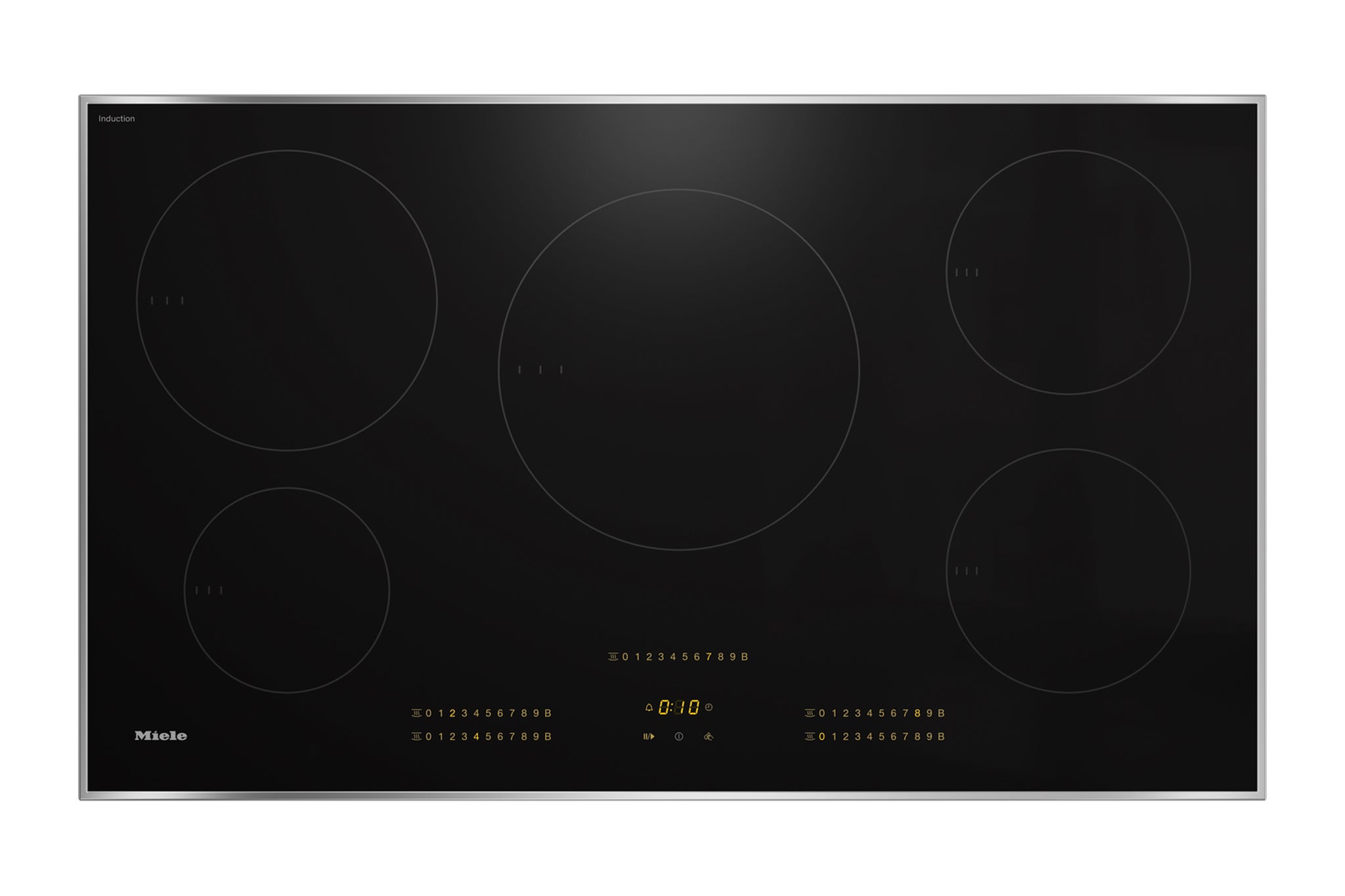
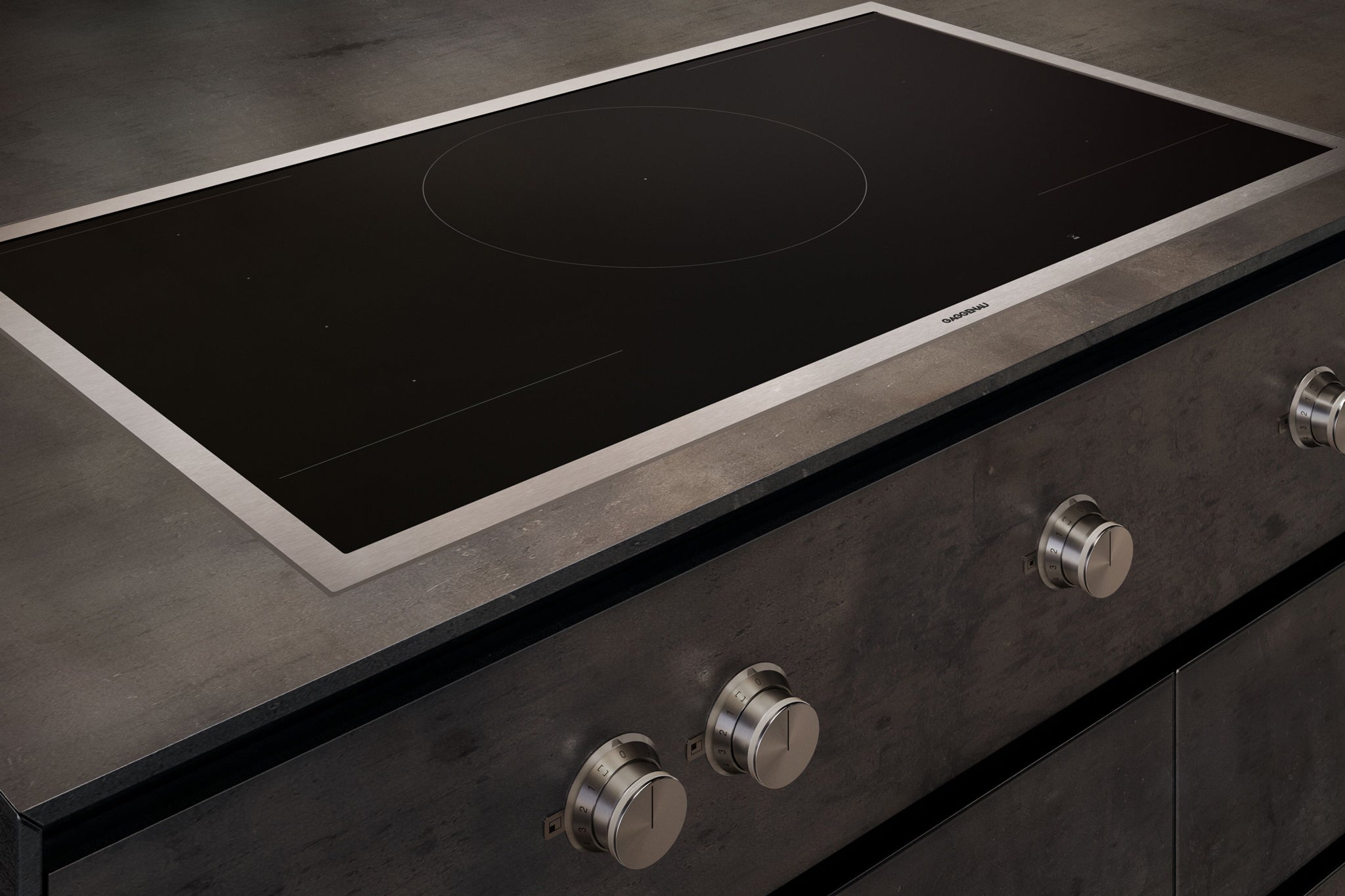
For an adjustable keep-warm setting: Miele KM 7740 FR. The Miele lets you adjust its keep-warm mode to hold a dish warm or keep it at a simmer. Its 11-inch element reaches 3,700 watts on boost, and an auto-heat function briefly adds power to bring a pan up to the selected setting. The trade-off is the interface: Nine power levels are readily available, but Wirecutter found the extra levels—up to 17 in total—and the timer less intuitive to access. This model does not let you enter a precise cooking temperature. Its stainless steel frame sits noticeably above the counter, a design distinction if you prefer a flush surface.
Match the layout to your cookware
A 36-inch cooktop typically has five elements; a 30-inch model usually has four, and a 24-inch model usually has three. All three recommended lines offer a 30-inch option, and Miele also offers a 24-inch version.
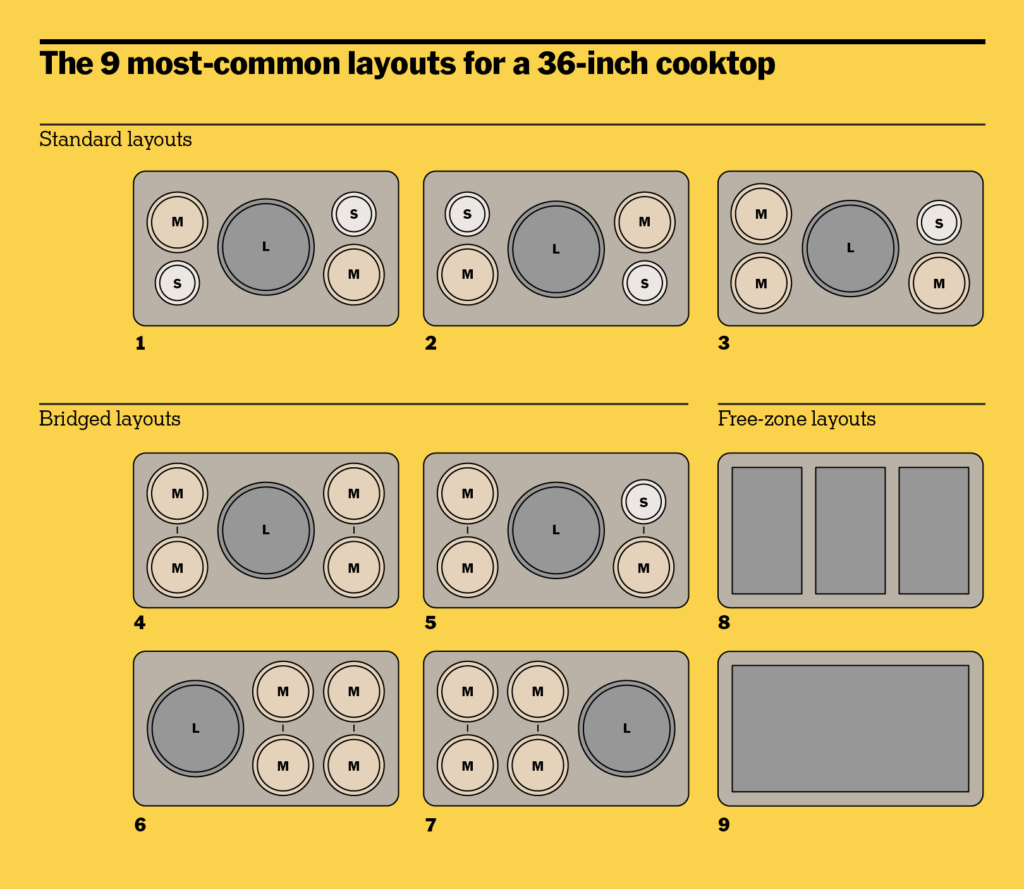
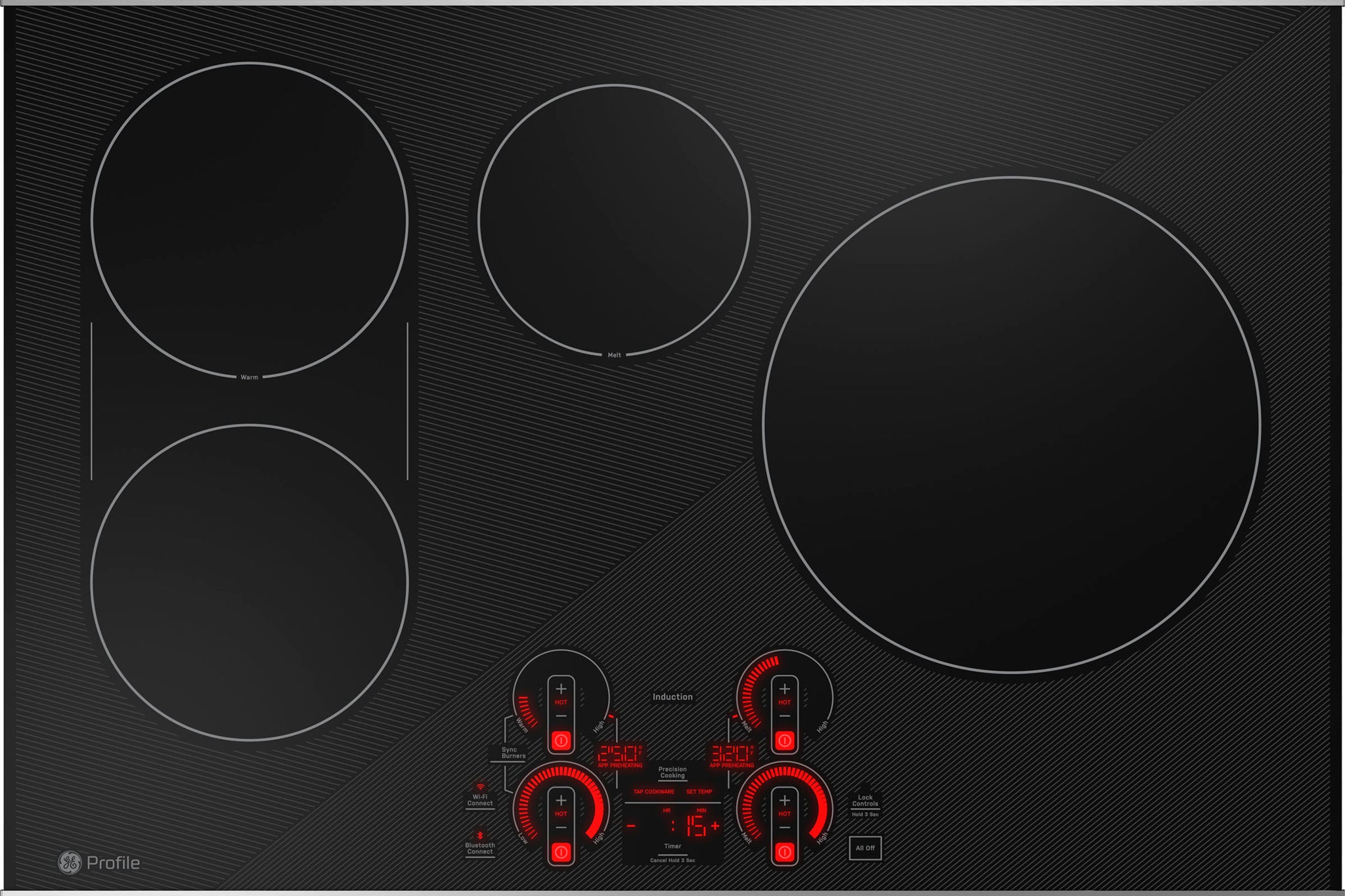
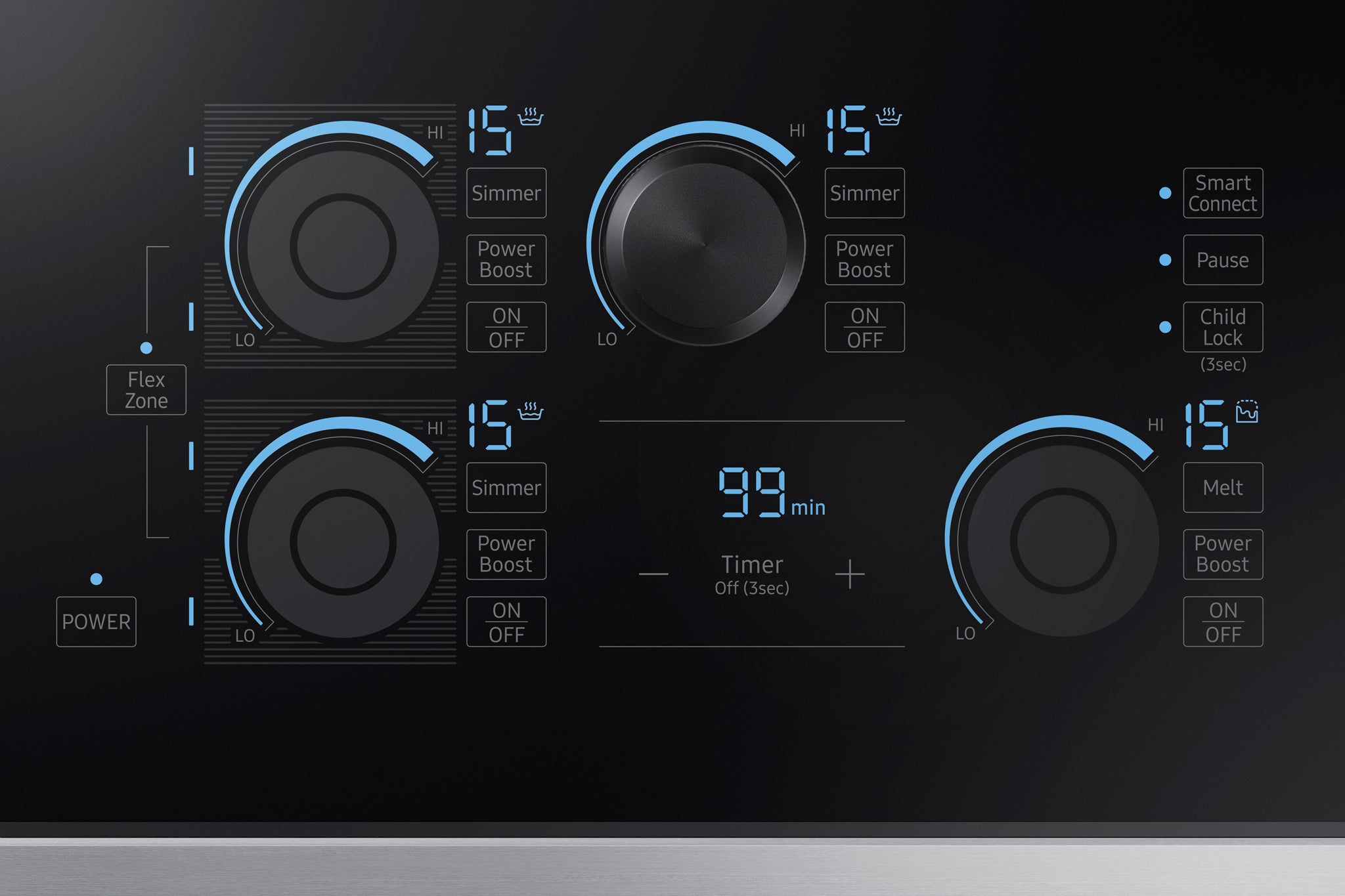
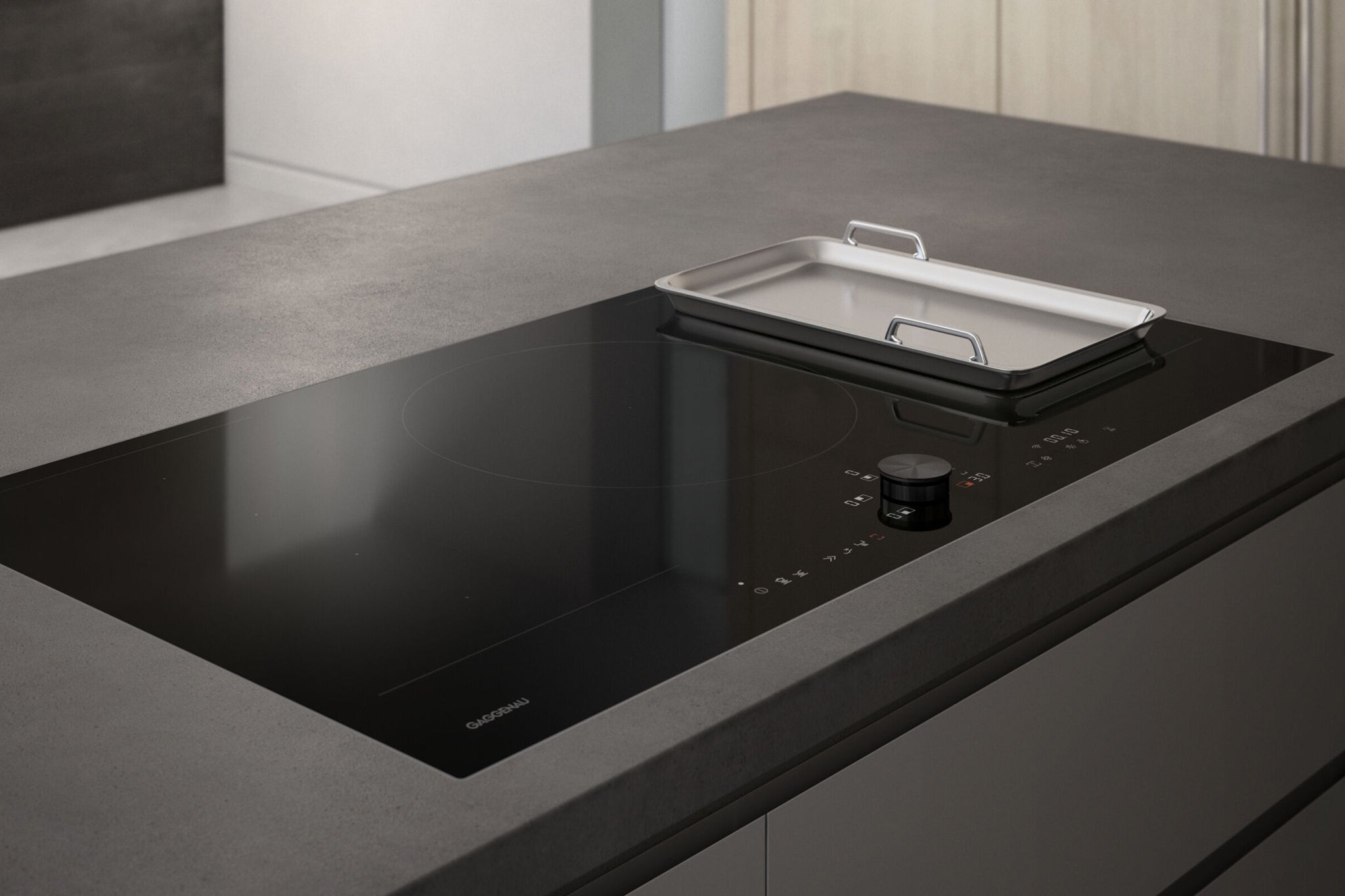
Compare the diameter of each element with the base of the pan, not its rim. Wirecutter recommends avoiding a base more than an inch wider than the element because heat drops off toward the edges. A pan several inches smaller than the element may not register at all. For a long griddle, distinguish a bridge from a continuous cooking zone: A bridge synchronizes two elements but may leave a cooler strip between them; a continuous zone can heat the area beneath the whole griddle.
For a tighter budget, Wirecutter considered IKEA’s induction cooktops worth a look when priced around $1,000 or less. They carry a five-year limited parts-and-labor warranty. As with any brand, check who can service the cooktop locally before buying.
Check the installation before committing
Even when replacing one cooktop with another of the same nominal width, compare the manufacturer’s installation dimensions with the existing countertop cutout. A flush installation generally requires a custom cutout and costs more than one with an edge that overlaps the counter.
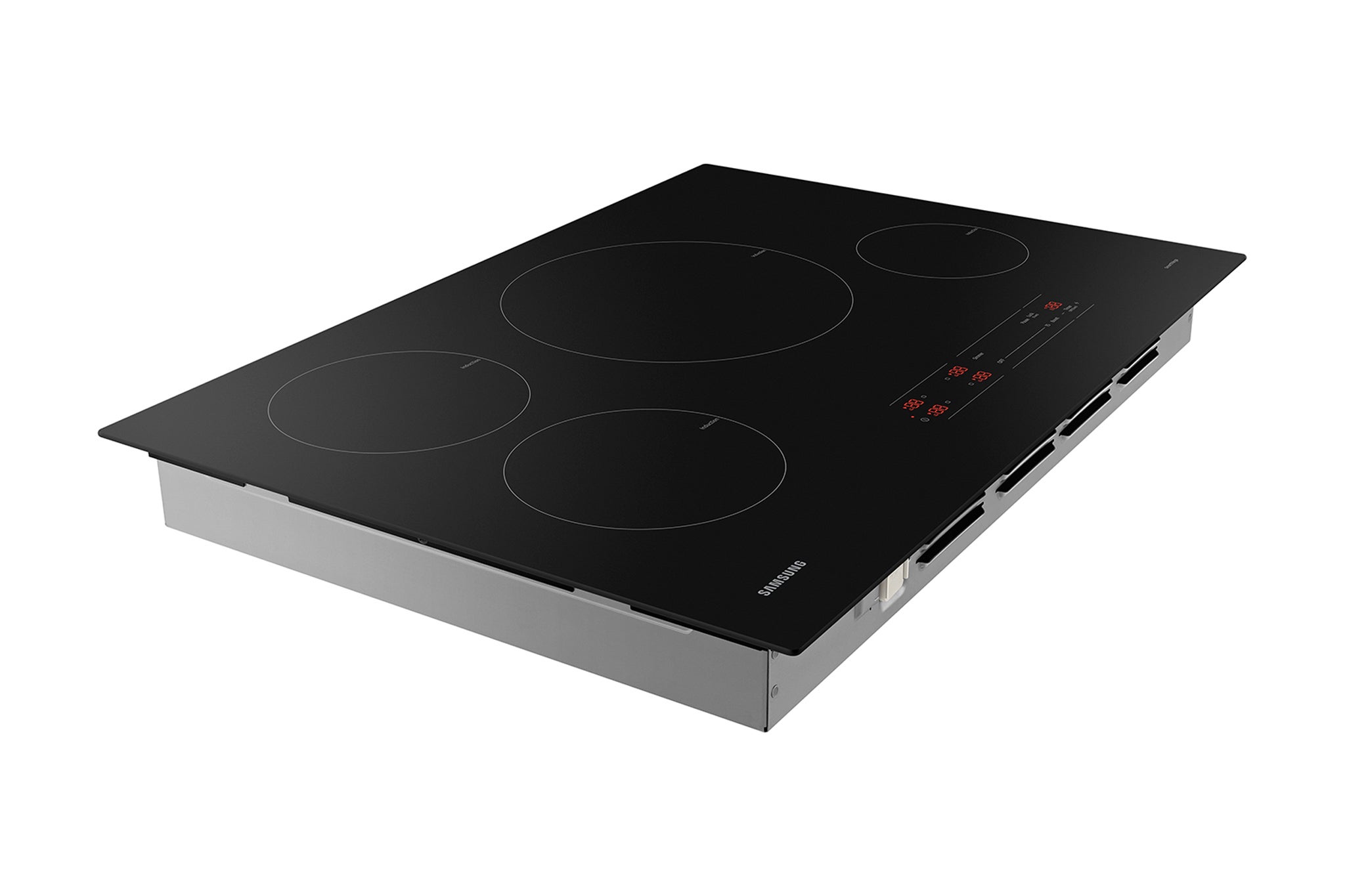
An existing electric cooktop may mean little electrical work is needed, according to architect Will Teass of Teass Warren Architects. When switching from gas, have an electrician confirm that the home can support a 240-volt, 50-amp kitchen appliance and a plumber cap the gas line.
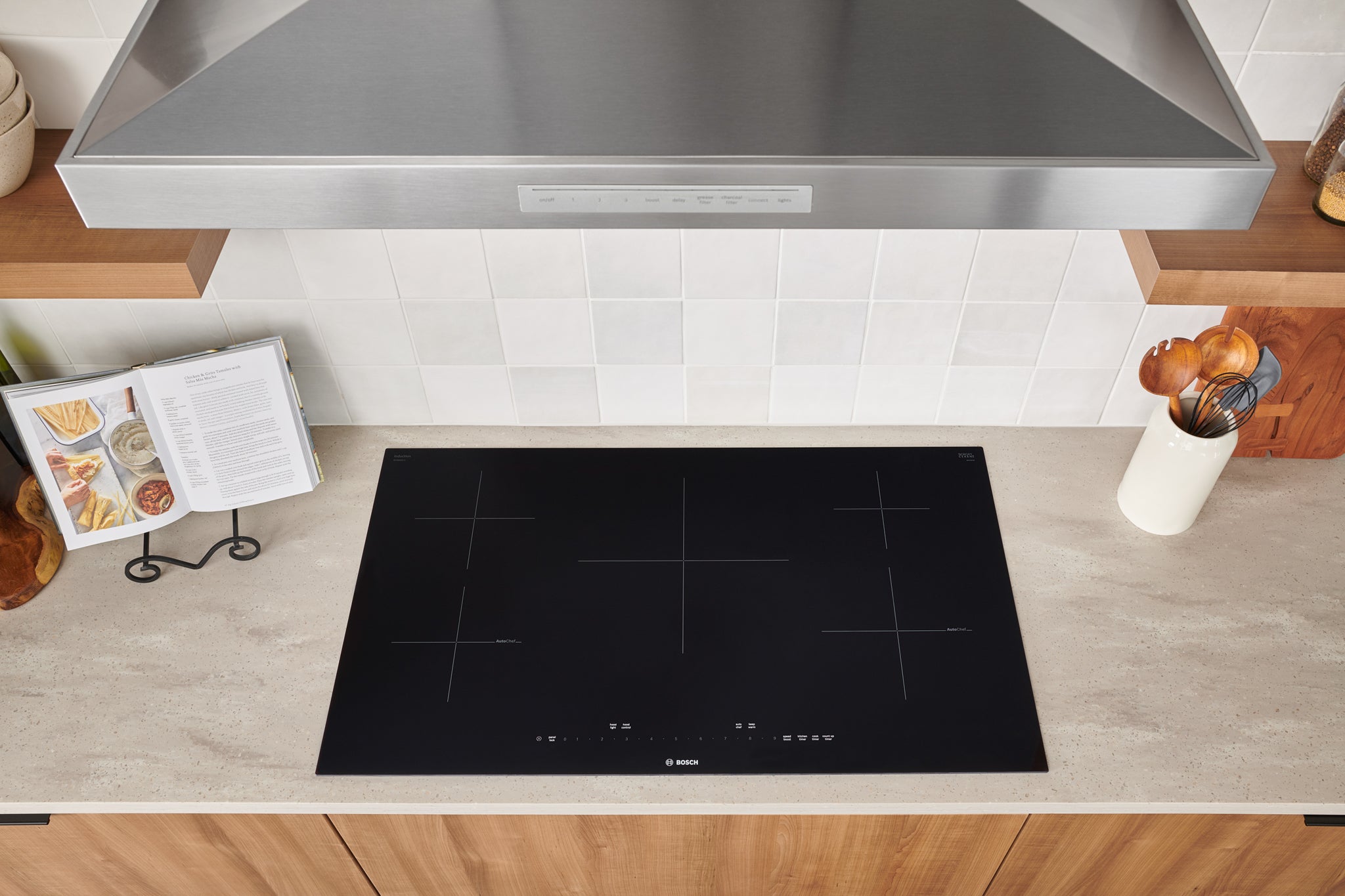
Induction eliminates gas combustion at the cooktop, but cooking still produces steam and grease. Jessica Petrino Ball, who headed appliance retailer AJ Madison’s education program at the time of her interview, advised using ventilation. She suggested a hood rated at 150 to 300 cubic feet per minute for induction cooking, or 400 to 600 for households that regularly fry, sear, griddle or cook in a wok.